'Forever Chemicals' Just Made the Dirty Dozen More Relevant to Your Daily Diet
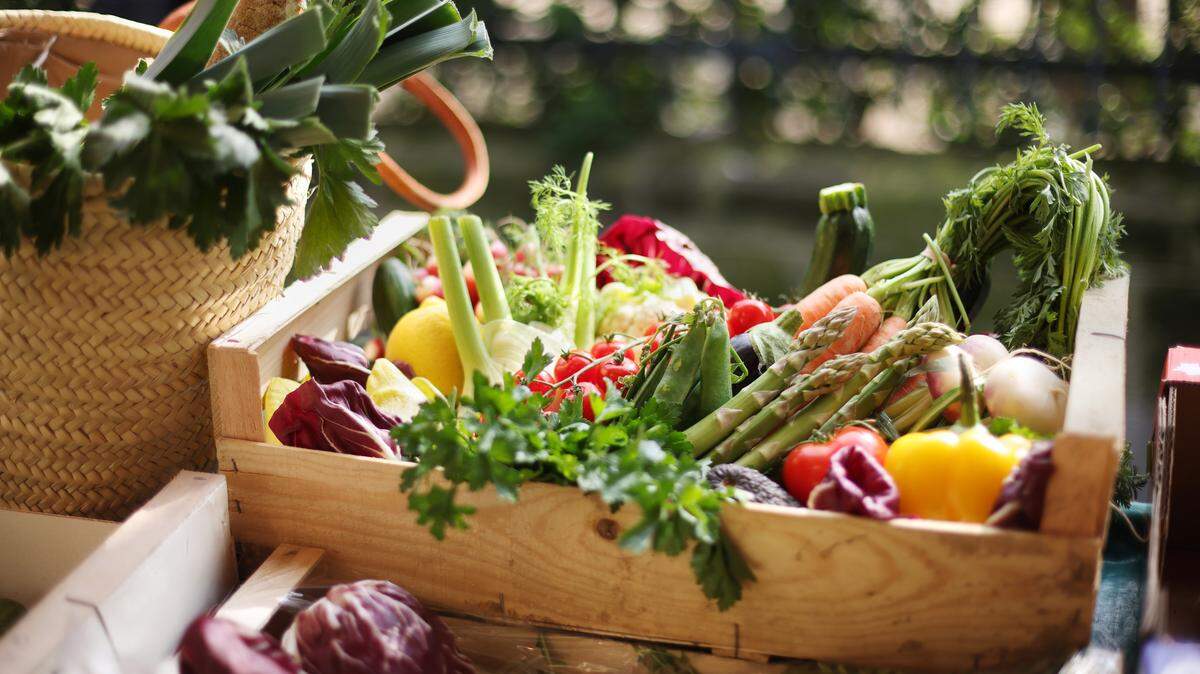
The Environmental Working Group’s 2026 Dirty Dozen adds a new data point this year: PFAS “forever chemicals” detected in pesticide residues on popular fruits and vegetables. It is the first time the annual guide has tracked them, and the numbers are hard to ignore — 63% of Dirty Dozen samples showed PFAS contamination.
The most common source was fludioxonil, a fungicide found in nearly 90% of peach and plum samples. That finding did not exist in previous years’ reports.
Before rethinking your entire grocery run: experts and the USDA maintain that all conventionally grown produce sold in the U.S. meets federal safety standards. The goal here is smarter shopping, not avoidance.
This Year’s Dirty Dozen
- Spinach (most residue by weight, avg. 4+ types per sample)
- Kale, collard and mustard greens
- Strawberries
- Grapes
- Nectarines
- Blackberries (newly added, avg. 4+ pesticides per sample)
- Peaches
- Cherries
- Apples
- Pears
- Potatoes
- Blueberries
Blackberries are the new addition this year. Potatoes carry a separate flag: chlorpropham, a sprout inhibitor found in 90% of U.S. potato samples, is already banned in the European Union.
Where You Can Spend Less
The Clean Fifteen — pineapple, sweet corn, avocados, papaya, onions, frozen sweet peas, asparagus, cabbage, cauliflower, watermelon, mangoes, bananas, carrots, mushrooms and kiwi — had nearly 60% of samples come back with zero detectable pesticide residues. Buying conventional on these items is a safe call, and it frees up the budget to go organic where it counts most.
What Actually Works to Remove Pesticides
Running water for at least 20 seconds with gentle rubbing is the most effective baseline, per Consumer Reports and FDA guidance. For firm produce like potatoes, carrots and cucumbers, add a clean vegetable brush.
For a more thorough clean, a baking soda soak — 1 teaspoon per 2 cups of water for 12 to 15 minutes — outperforms plain water for surface pesticide removal, per University of Massachusetts research. Leafy greens need slightly different handling: rinse under low-pressure warm water, spin dry in a colander and wash the colander after.
A few things to skip altogether: soap, produce washes, bleach and detergents. The FDA and USDA advise against all of them because produce is porous and can absorb those chemicals. Always wash before peeling to avoid dragging surface residue into the flesh. “Triple-washed” bagged greens are the one exception — no additional rinse needed, per the FDA.
Seasonal and Local Buying
In-season produce is picked at peak ripeness, which translates to higher vitamin and mineral content, better flavor and lower prices. The shorter the farm-to-table distance, the less nutrient loss in transit.
Spring 2026 picks include asparagus, artichokes, peas, spring onions, radishes, bok choy and new potatoes. Several of those overlap with the Clean Fifteen. Since potatoes land on the Dirty Dozen, spring’s lower prices make it a good time to seek out organic options.
At the store, origin labels are worth a second glance. Local sourcing means shorter transit and less time for pesticide absorption to deepen. Farmers markets offer direct transparency; asking growers about their methods takes 30 seconds and often tells you more than a label will. For Dirty Dozen staples you go through quickly, frozen organic is a practical, lower-cost alternative that EWG’s own science analyst flagged in 2026 coverage. The USDA Organic seal prohibits PFAS pesticides, which makes it a targeted response to this year’s new findings.
The 2026 list is worth a closer look because of the PFAS data. Use it as a filter for where your grocery dollars do the most work, buy organic selectively on the Dirty Dozen and keep eating your fruits and vegetables.
This article was created by content specialists using various tools, including AI