Broward lawmaker pushes to bring menopause out of shadows. How could care change?
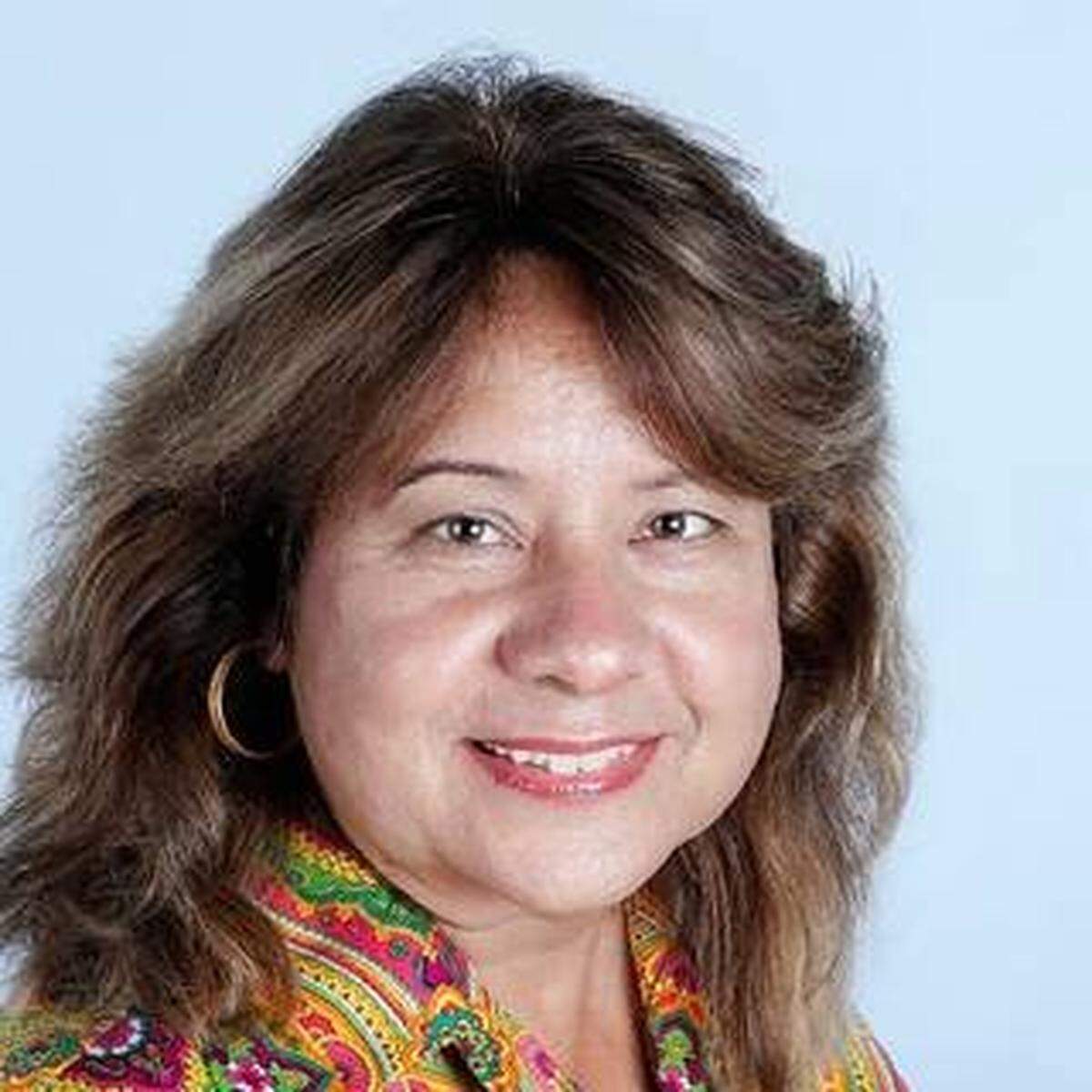
As the 2026 Florida legislative session nears, Sen. Barbara Sharief, who represents District 35 — encompassing Miramar and Pembroke Pines — is pushing to bring menopause out of the shadows and into statewide public-health planning.
Sharief is joined by Florida Rep. Yvonne Hayes Hinson in filing Senate Bill 190 and House Bill 161, which would require the Florida Department of Health to create a Perimenopause and Menopause Policy Workgroup.
Sharief, a Democrat who is a former Miramar commissioner and Broward County mayor, says too many women in her district and across Florida navigate perimenopause and menopause in isolation, without reliable information or support.
Sharief, who is also a nurse, wants to ensure women have access to medical guidance and resources.
Under the bills, the Department of Health’s workgroup would develop key messages and priorities related to perimenopause and menopause and ensure that outreach and educational initiatives create a communications strategy aimed at women, men, employers and medical providers.
It would also identify community-based locations for disseminating information — such as religious centers, gyms and hair salons — and support efforts to communicate accurate scientific information on the safety and effective use of hormone replacement therapy (HRT) and non-hormonal therapies, including supplements.
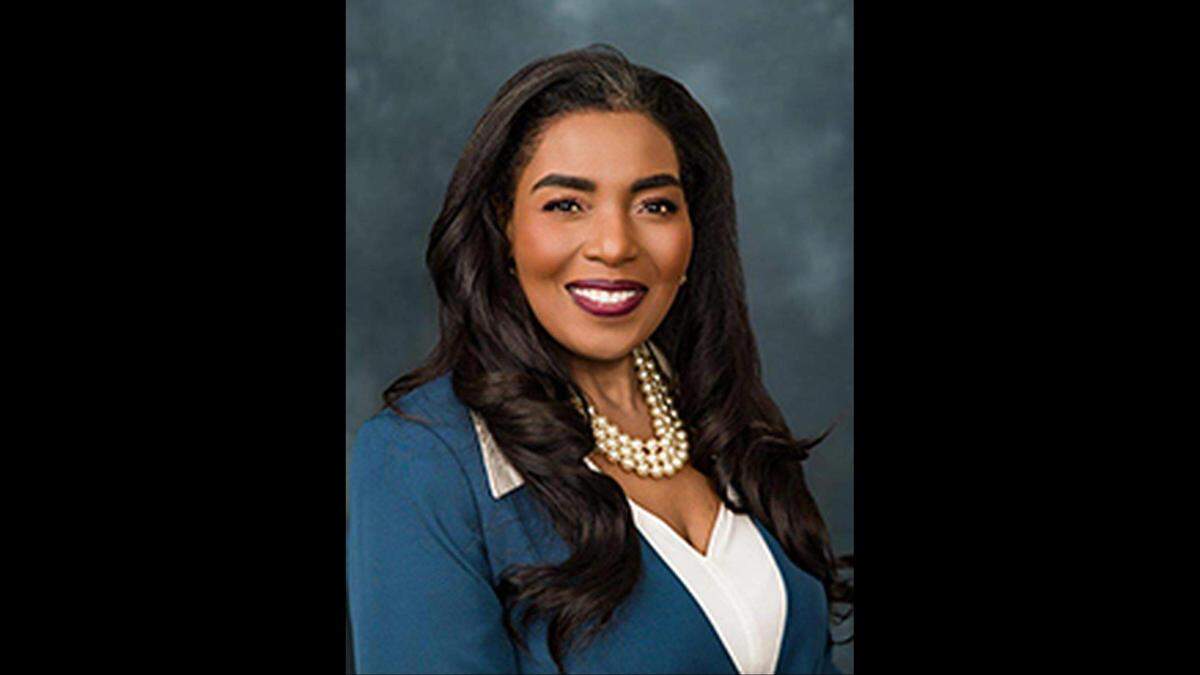
“This legislation ensures that Florida women of every community and every background receive the science-based resources, trusted guidance and compassionate care they deserve,” Sharief said in a news release.
“Menopause is a major public health and economic issue,” said Hinson, who represents District 21 and is sponsoring the companion bill in the House. “This legislation provides resources and educational materials from trusted health organizations to better help the community understand the changes affecting women.”
The Florida lawmakers’ effort to shine a light on the once-taboo topic comes as it increasingly enters the mainstream, thanks in part to celebrities such as Oprah Winfrey, Halle Berry and Hoda Kotb, who have publicly described their midlife transitions.
More than 1.3 million U.S. women enter menopause every year. Many will spend up to half their lives post-menopausal, with symptoms that can last seven to 14 years.
Health wise, the hormonal changes that occur during menopause raise long-term risks, including osteoporosis, heart disease, stroke, breast cancer, weight gain and sleep disruption. Women can lose up to 20 percent of bone density in the first five to seven years after menopause, yet screening often doesn’t begin until age 65.
The companion bills will be considered during the upcoming Florida legislative session, which is scheduled to run from Jan. 13-March 13.
The legislation is currently in the Health Professions & Programs Subcommittee.
This story was originally published December 8, 2025 at 9:09 AM.