Mosquito surge prompts aerial spraying in western Miramar. When, what to know
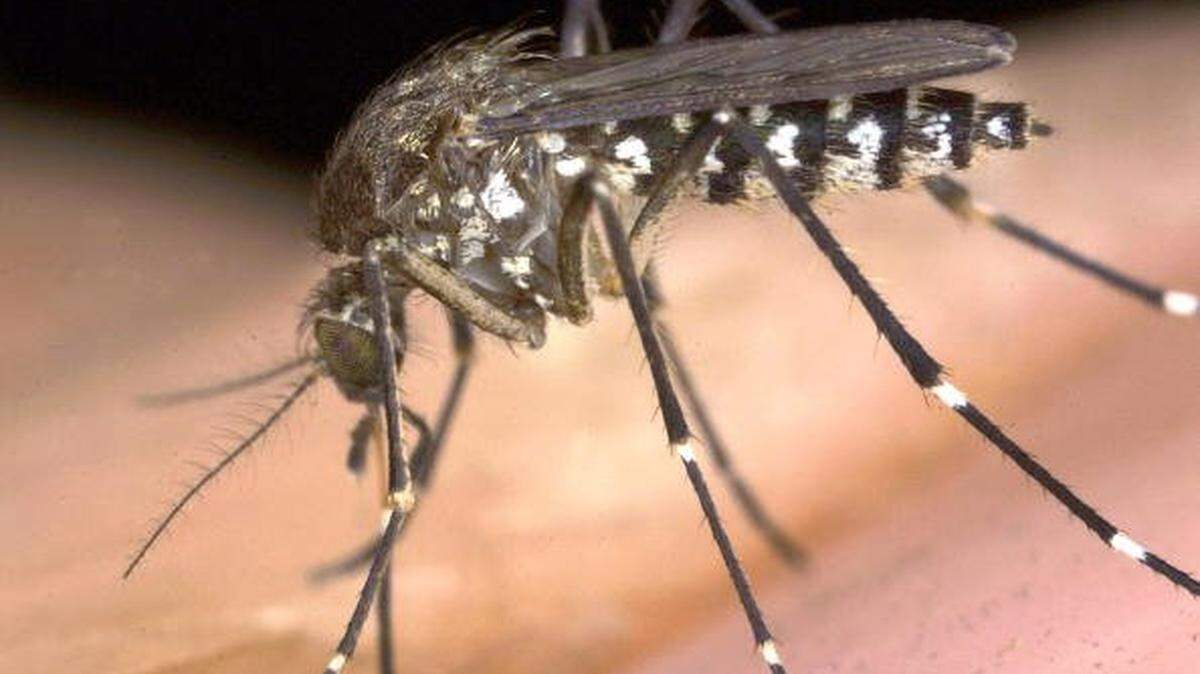
If you live in western Miramar, you may have noticed more than the usual amount of mosquitoes in the air, fueled by the start of the rainy season.
If so, help is on the way.
Starting Saturday, June 6, residents in western Miramar may hear low-flying aircraft overhead as Broward County launches an aerial mosquito control operation targeting aggressive mosquitoes migrating from the Florida Everglades.
According to Broward County’s Mosquito Control Section, aerial spraying is scheduled to take place overnight through Tuesday, June 9, weather permitting.
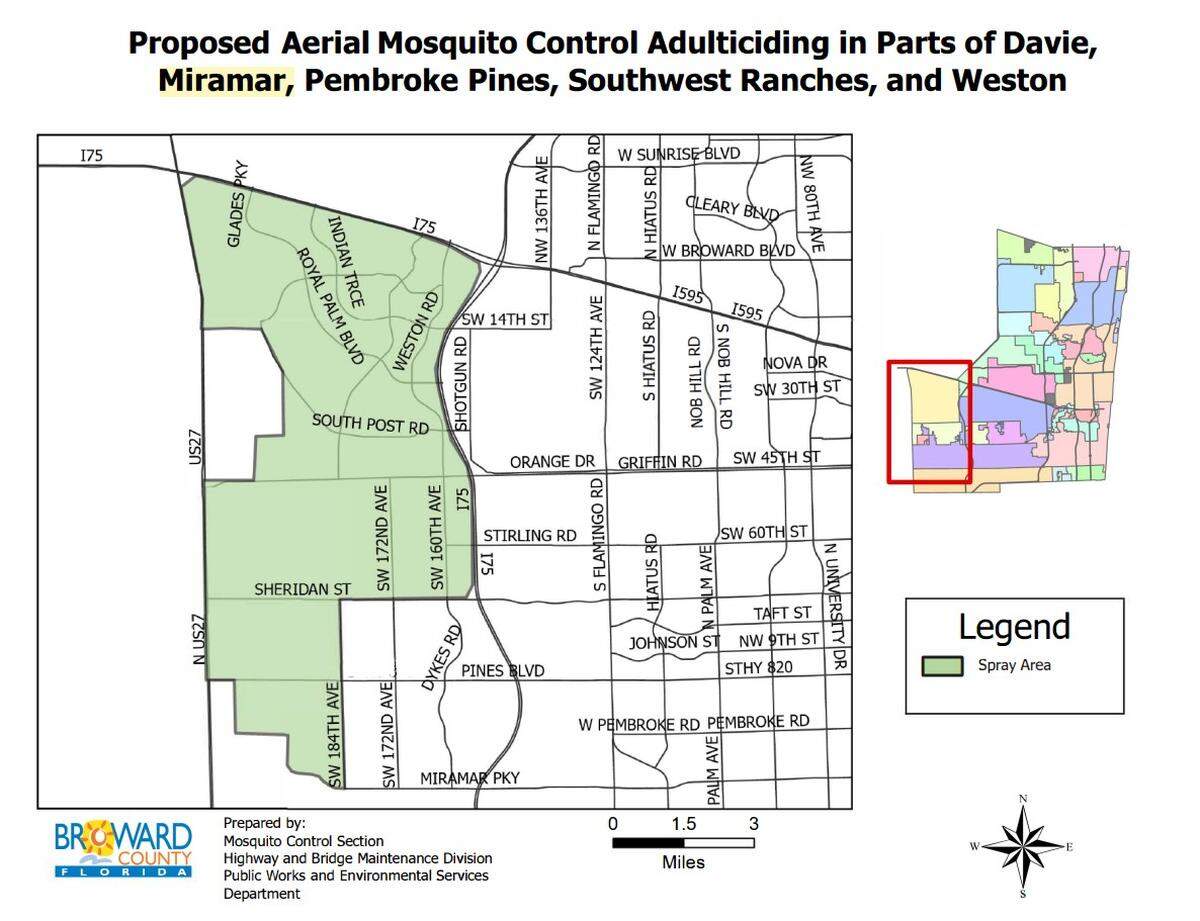
Spraying would occur between 2 a.m. and 6 a.m. and cover portions of western Miramar near Interstate 75, U.S. 27 and surrounding neighborhoods, the county said.
The spray area also includes portions of Pembroke Pines, Davie, Southwest Ranches and Weston.
Residents with breathing difficulties are encouraged to remain indoors while spraying is underway.
The county said residents registered with the Florida Department of Agriculture and Consumer Services as chemically sensitive will receive advance notification before the operation.
County officials said the operation was prompted by a high number of service requests from residents and recent mosquito surveillance data showing elevated mosquito activity in western Broward.
The spraying is aimed at saltmarsh mosquitoes, aggressive biting insects that breed in Everglades wetlands and can travel miles into residential communities.
While the mosquitoes are not known to spread diseases such as Zika or dengue fever, they are considered a significant nuisance for residents.
The operation comes as South Florida enters the rainy season, when standing water and frequent storms create ideal mosquito breeding conditions.
Broward conducted similar aerial spraying missions in western Broward last July and again in August and September following increased mosquito activity.
Broward Mosquito Control uses backpack sprayers, trucks and aircraft to treat mosquito populations based on surveillance data and service requests.
Residents can also help reduce mosquito breeding by eliminating standing water around their homes, including water that collects in buckets, flower pots, gutters and other containers.