
Local police agency’s Facebook post about Flock cameras goes viral, sparks debate
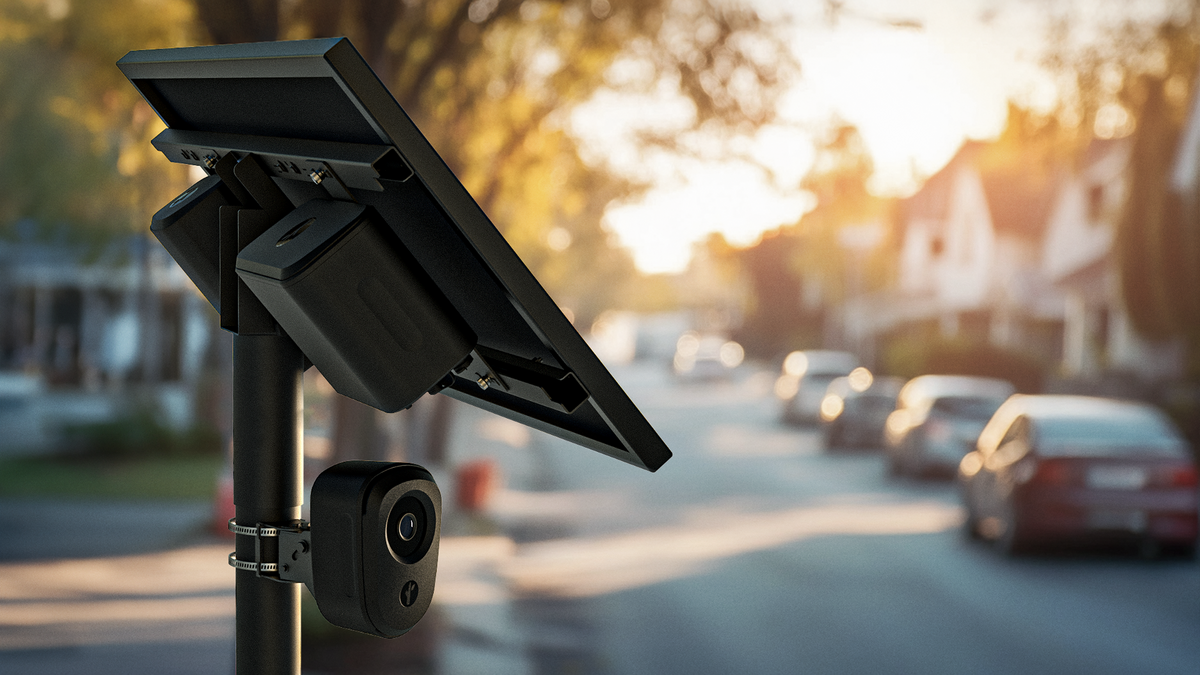
In response to privacy concerns raised over Flock license plate readers that are popping up in Broward County, one local police agency shared more information on social media about how the technology is used.
The post quickly went viral, racking up thousands of reactions on Facebook.
Coral Springs police put out information about the technology in a myth vs. fact format July 13, but as the post gained traction, the Facebook comments tipped into decidedly negative territory, with social media users saying the cameras that are supposed to be used to track criminals present a ripe opportunity for privacy abuse.
“MYTH: License Plate Readers are used to track everyone in Coral Springs,” the post says. “FACT: LPRs are an investigative tool that captures license plates and vehicle characteristics to help identify vehicles connected to reported crimes. They do not identify drivers or passengers, and they are not used to monitor people’s daily activities.”
Police said the cameras, often referred to by the name of the company that makes them, Flock Safety, have helped investigators track down stolen vehicles, identify and locate crime suspects, and “generate investigative leads in minutes that once took investigators days or weeks to develop.”
Coral Springs is considered a safe South Florida city, with zero homicides in 2025 and two so far in 2026, including the death of Vice Mayor Nancy Metayer. Law enforcement said they used license plate technology to track her husband, Stephen Bowen, in the hours after she died.
“Our year-to-date violent crime clearance rate is 63%, well above the national average of 35-40%, and technology like this plays an important role in helping us solve serious crimes,” police wrote.
Social media users engaging with the post likened the situation to George Orwell’s “1984” novel. Others insinuated the information was false or misleading, with one person describing it as a “good fairy tale.”
Some defended the technology, saying phones already track their users’ movements.
“You’re telling us that these cameras don’t really do a whole lot of anything and then in another one you’re telling us that they’re making all the difference in the world,” one commenter wrote.
The city solicited state funding for the updated technology through Florida Sen. Tina Polsky “to support critical visualization activities, such as cameras and license plate readers, that will provide faster decision making and response times, increase the efficiency of the Real Time Crime Center, and aid regional public safety efforts,” the grant request says.
The commission voted unanimously to receive the $500,000 grant in November.
“Technology is part of everyday life,” police wrote. “Cell phones, navigation apps, toll systems, security cameras, banking transactions and countless other technologies collect information to provide services people rely on every day. Law enforcement uses LPR technology for one purpose — to help solve crimes, recover victims’ property and keep our community safe.”
In response to one resident’s concerns at a recent commission meeting, Commissioner Joe McHugh, a former police captain, described the technology as a success in resolving cases.
“As a former law enforcement officer, I understand your concern about invasion of privacy, but I will tell you the success that we had, not only catching fugitives, catching homicide suspects, catching stolen vehicles, catching missing people, people that are missing — we see them go through a Flock camera,” McHugh said.
Police said access to the information from the cameras is restricted to “legitimate law enforcement purposes.”
This story was originally published July 15, 2026 at 10:03 AM with the headline "Local police agency’s Facebook post about Flock cameras goes viral, sparks debate."